Blake Vogel · 11 October 2026
Decoding Audience Retention Patterns in Specialized Online Ecosystems
Specialized online ecosystems encompass forums, membership sites, niche social networks and industry-specific platforms where users gather around shared interests rather than broad social connectivity, and retention patterns in these spaces follow distinct trajectories driven by content depth, community norms and technical infrastructure. Observers note that these environments often exhibit slower initial growth yet demonstrate higher long-term stickiness when compared with general-purpose networks because participants arrive with specific intent and expectations for sustained value.
Core Metrics That Define Retention
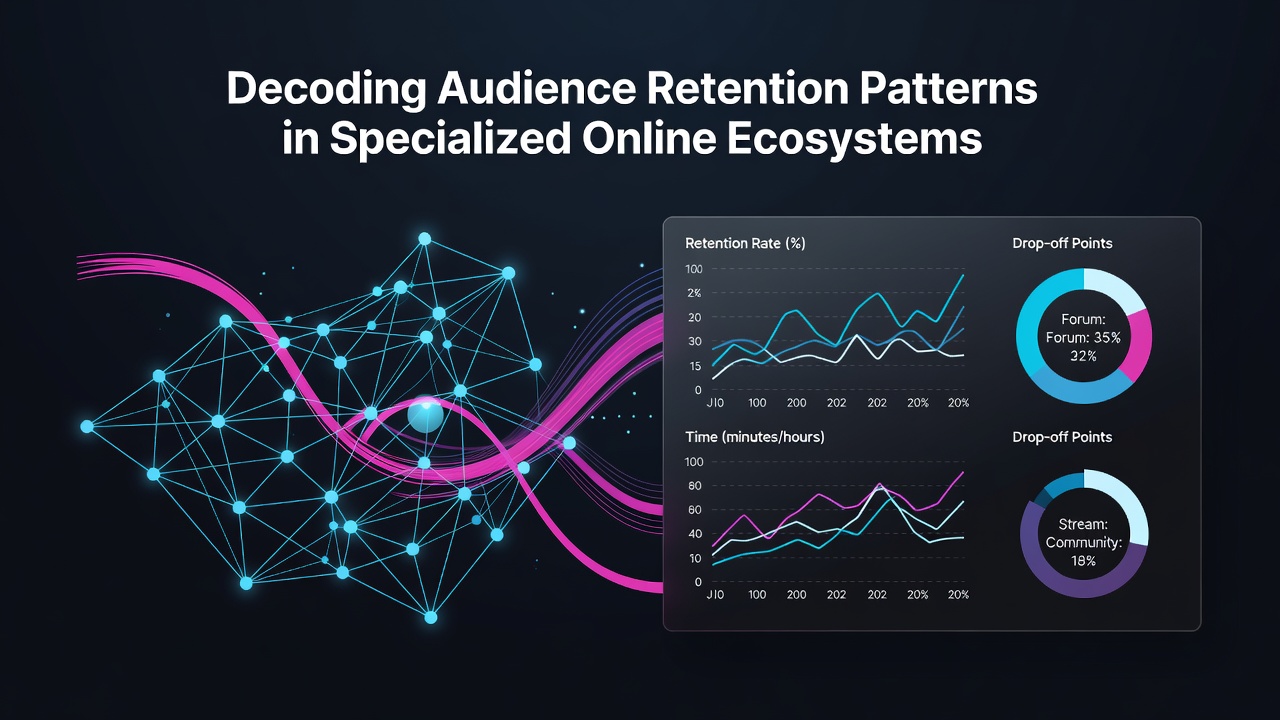
Data from platform analytics tools reveal that session duration, return frequency and content interaction depth serve as primary indicators while secondary signals such as comment chains and resource downloads provide additional layers of insight; researchers at multiple institutions have compiled datasets showing that users in specialized ecosystems tend to maintain longer sessions when navigational friction remains low and relevant content surfaces quickly through algorithmic or manual curation. In October 2026, updated reporting from Statistics Canada highlighted shifts in digital engagement metrics among Canadian niche communities, indicating that average return visits increased by measurable margins following interface optimizations that prioritized topic clustering over chronological feeds.
Behavioral Patterns Across Different Niches
Patterns diverge sharply between knowledge-sharing communities and hobbyist spaces because the former emphasize archival searchability and reference value whereas the latter prioritize real-time discussion and event coordination; studies compiled by academic groups demonstrate that knowledge-focused platforms retain users through threaded archives that accumulate over months or years while hobbyist groups experience spikes tied to seasonal events or product releases. Those who have examined cross-platform data observe that retention curves flatten more gradually in ecosystems with strong moderation systems that maintain discussion quality and reduce off-topic noise.
Technical Factors Influencing Stickiness
Platform architecture plays a decisive role because load times, mobile responsiveness and notification systems directly affect whether users complete intended actions or abandon sessions midway; evidence from industry reports shows that communities implementing progressive loading and contextual search retain higher percentages of first-time visitors beyond the initial twenty-four hours. And external integrations such as API connections to reference databases or calendar tools further extend dwell time by allowing users to accomplish multiple tasks without leaving the ecosystem.
Comparative Data from Global Sources
Figures released by the European Commission’s digital strategy unit illustrate how regulatory frameworks around data portability have enabled users to carry preferences across specialized platforms, thereby supporting continuity in engagement levels; similar analyses from the Australian Bureau of Statistics document parallel trends in regional hobbyist networks where localized content recommendations correlate with extended subscription periods. These datasets collectively indicate that retention improves when platforms balance personalization with user control over algorithmic exposure.
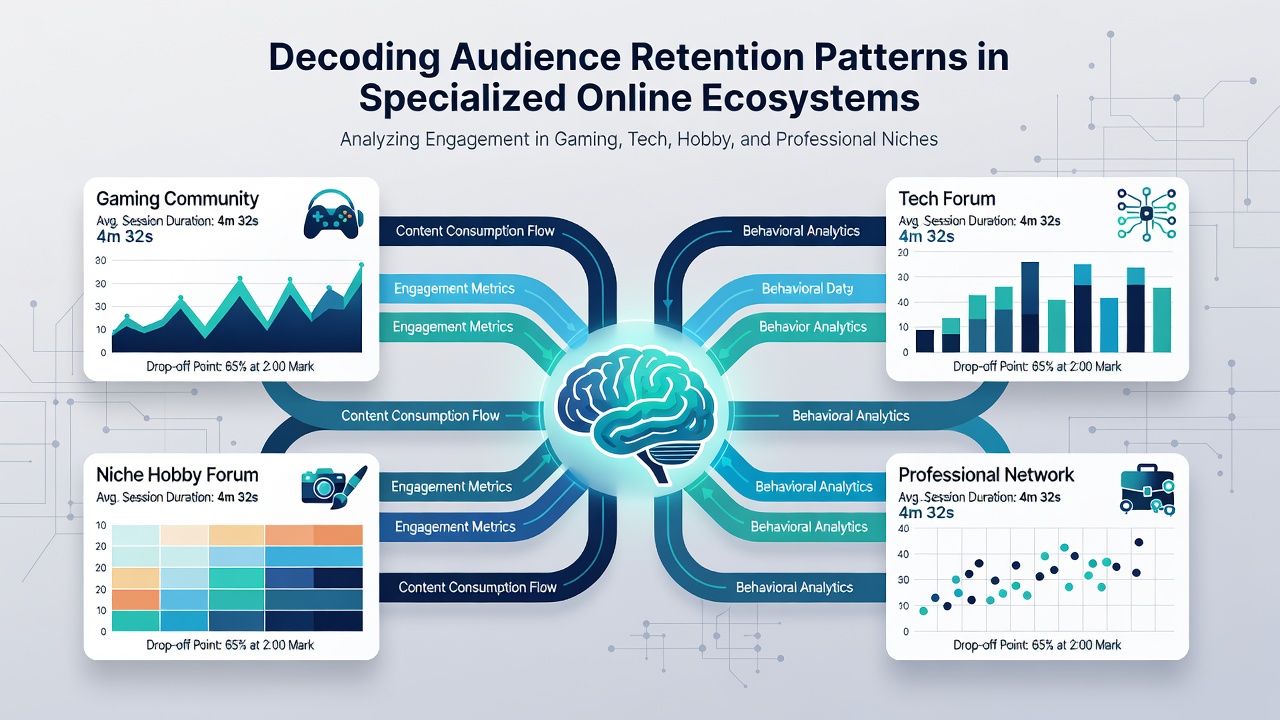
One study revealed that platforms incorporating user-generated tagging systems experienced measurable lifts in content rediscovery rates, which in turn supported repeat visits; observers tracking these changes note that tagging reduces the cognitive load of locating older material and creates additional pathways for new participants to enter ongoing conversations. What's interesting is how seasonal content cycles interact with these mechanisms because certain ecosystems see predictable dips during off-peak periods followed by rapid rebounds when relevant events recur.
Methods for Tracking and Interpreting Patterns
Analysts employ cohort analysis, funnel visualization and heat mapping to isolate drop-off points while qualitative methods such as moderated interviews and diary studies supply context for quantitative signals; research indicates that combining these approaches yields more accurate forecasts of long-term retention than either method alone. Platforms that regularly review these combined datasets can adjust content scheduling and feature rollouts to align with observed user rhythms rather than generic engagement benchmarks.
Conclusion
Decoding retention in specialized online ecosystems requires attention to both measurable metrics and the contextual factors that shape user expectations within each niche; as datasets continue to expand through contributions from regulatory bodies and academic researchers, platform operators gain clearer visibility into the levers that sustain participation over time. The patterns documented across multiple regions and community types underscore the value of tailoring technical and content strategies to the specific rhythms of each ecosystem rather than applying uniform approaches derived from mainstream social platforms.